Leading Past Option B: The Energy Leak Keeping You Stuck

You’ve had those moments—when your commitment feels absolute. No doubt. No drama. Just follow through.
Sometimes, it’s automatic, a reflection of your values. Other times, it’s a conscious decision:
I’m going to make this marriage work. I will get that promotion. I will get off this medication.
You lock in and act as if it’s already done.
My first memory of such a commitment was in second grade, when I told my mom I was going to read the most books all summer. (You remember Scholastic News, right?) I set my mind to it and won the award, but what I remember most isn’t the prize, it’s the feeling of determination and focus as I read away.
That’s the feeling of commitment. And you know what it feels like. It’s clear and full-bodied.
😕 So why is it sometimes so hard to access, even when you truly want to follow through?
You say the words. You feel the desire. But something holds back.
The intention is strong, but the follow-through is fuzzy.
I often sense this space while coaching—a decision has been stated, but something is missing.
- A leader needs to let someone go—but keeps delaying the conversation.
- A physician craves rest—but still says yes to extra shifts.
- An executive promises boundaries—but checks email at 11 p.m. anyway.
These are the moments I ask:
Have you truly decided—or is there a choice you’re still holding open?
This question is a pause—not a push—so you can gently notice what’s true for you right now. Real change unfolds in stages, not leaps. The more we honor our true starting point, the more powerfully we can move forward.
🔄 The Stages of Change
Change isn’t binary—it’s a process.
In coaching, we often work with the Stages of Change model, developed by Prochaska and DiClemente. This model outlines the predictable, human way we move through transformation:
- Pre-contemplation: You’re not yet aware that change is needed, or you may be resisting or denying a problem.
- Contemplation: You begin to notice something needs to change. You’re weighing pros and cons, but not yet acting.
- Preparation: You’ve decided to make a change. You’re making plans, testing ideas.
- Action: You begin implementing the change. New behaviors start to take root.
- Maintenance: You work to sustain the change, creating long-term habits and reinforcement.
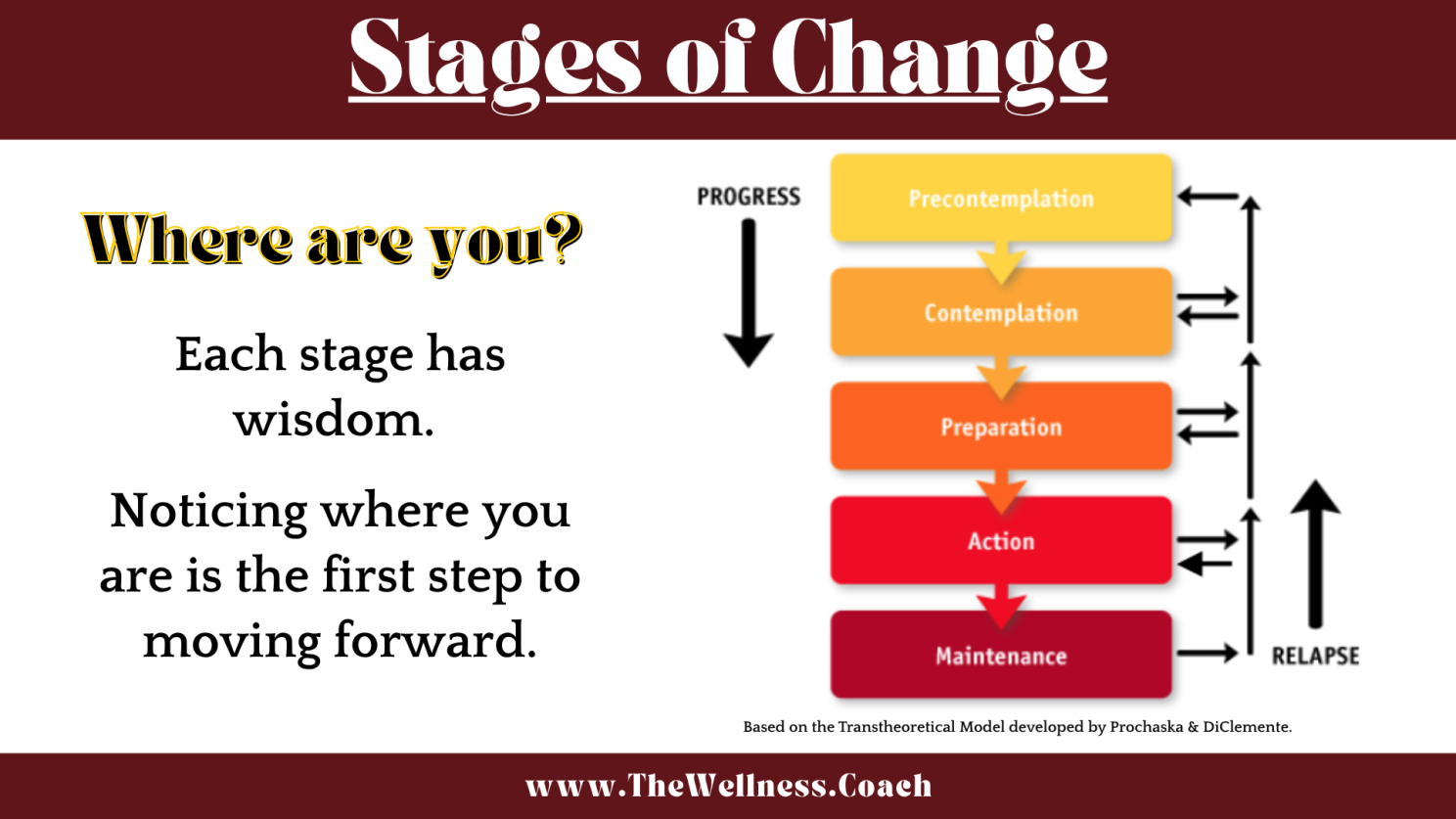
The space between contemplation and preparation is where many people quietly stall. You might say you're ready. You’ve been thinking about it, maybe even talking about it. But your energy is still mixed. One foot in, one foot out.
This in-between space is a valid stage of change, but if you’re not aware you’re in it, it can quietly create an energy leak. Your mental, emotional, and even physical resources stay divided. You’re not fully in, but you’re still expending effort just by hovering in uncertainty.
And even once you do start preparing—mapping a plan, setting goals—there’s another fragile space: the transition from preparation to action. This is where hesitation can quietly grow legs. Where Option B sneaks in and lingers.
🚪 How to Know If Option B Is Lurking
Option B is the backup plan you haven’t voiced. The silent “out” that keeps you from fully stepping in.
It doesn’t mean you’ve failed—it means part of you is still scanning for other choices.
And what are those options, really? They’re choices—possibilities your mind is still tracking, even after you’ve said you’ve decided.
This is why I’ve come to love the distinction between choice and decision—not just linguistically, but energetically.
- Choice comes from the Latin eligere, meaning “to select or pick out.” It’s about options, exploration, and curiosity.
- Decision comes from decidere, meaning “to cut off.” It marks finality, commitment, and the closing of the loop.
We tend to treat them as interchangeable, but they’re not.
Choice is expansive. Decision is decisive.
When you’re still in choice, your brain is scanning for safety: What else could I do? What if this doesn’t work?
Even after you say I’m going to let them go or I’m going to stop drinking, your mind might still float toward Option B:
- “I’ll just wait until after the holidays.”
- “Maybe I’ll give them one more chance.”
- “I’ll cut back—just not all the way.”
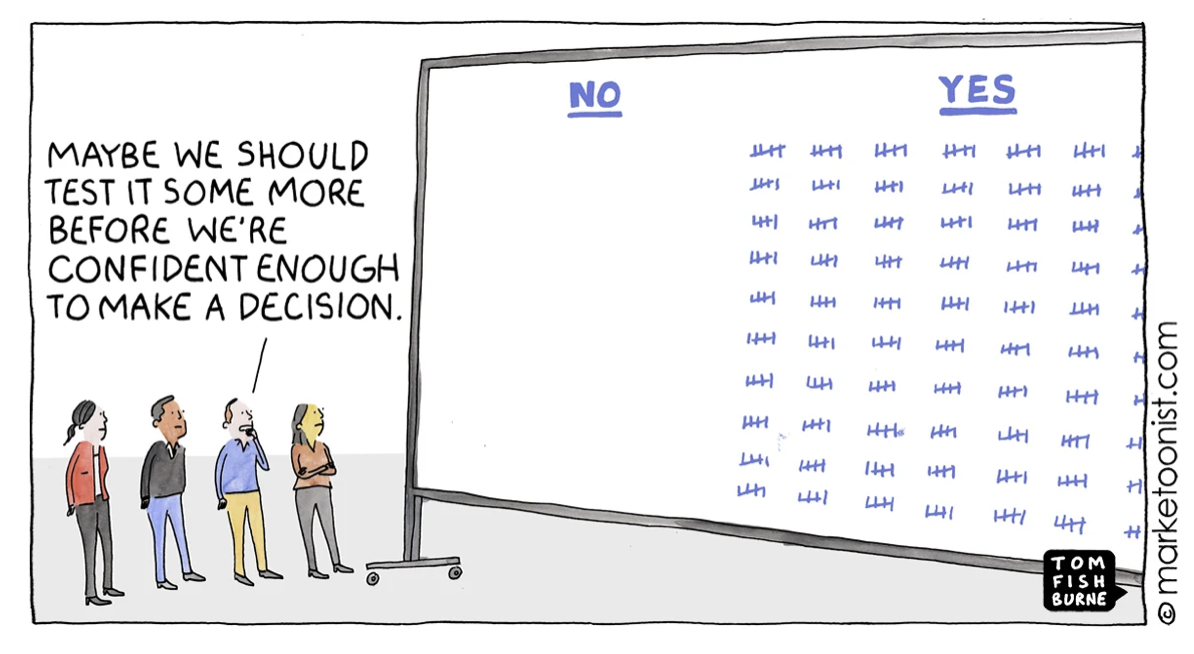
These aren’t failures. They’re signals that part of you is still hovering in the choice phase—searching for escape hatches, craving certainty.
And those lingering choices quietly siphon energy. Even if Option B isn’t visible, it’s often active—pulling your attention just enough to keep you from fully committing.
📉 The Backup Plan Paradox
Research from the University of Zurich supports this shift. Their studies on the “backup plan paradox” found that when people invest energy into Plan B, they actually perform worse on Plan A.
The mind, it turns out, allocates less drive toward a goal when it knows there’s an out.
They called this means replacing—when the presence of alternatives subtly siphons energy away from what you say you want most.
That’s the energy leak. Your attention is split. Your focus is dulled. And your momentum, without you realizing it, starts to fade. The unspoken “what if” of Option B might seem like a safety net—but it can quietly keep you circling, not committing.
This isn’t about shaming backup plans. Sometimes, having options is wise and necessary.
But it’s important to notice when those unspoken alternatives quietly drain your commitment to what matters most.
The real opportunity is in becoming conscious: Am I keeping this door open out of strategy, or out of fear?
🧭 How to Spot When You’re In Choice Mode
Choice mode isn’t a mistake—it’s a meaningful part of growth. It’s where discernment happens: you explore, reflect, and try on different futures.
But there’s a difference between conscious exploration and unconscious circling.
Sometimes, what keeps us in choice mode isn’t wisdom—it’s fear. The key is knowing when you’re thoughtfully considering...and when you’re quietly stalling.
Here are some quick signs you might still be in choice mode:
- Listen for the language of options. Are you saying, “Maybe I’ll start next week,” or “I should probably…”? Compare that to “I will” or “This is happening.” When you catch yourself using tentative language, pause and ask: Am I still choosing, or have I actually decided?
- Notice where your energy goes. Are you researching alternatives, asking friends for their opinion (again), or justifying your decision repeatedly? For example, are you still reading reviews for gyms after joining one? True decisions don’t need constant defense.
- Watch for the “just in case” preparations. Are you keeping backup plans warm—like checking job postings after accepting a new role, or keeping an old habit “just in case”? That’s your brain hedging its bets.
If you spot yourself in these patterns, don’t judge—just notice. That’s the first step to moving forward.
And when you do move forward—when you finally decide—it’s time to have your own back.
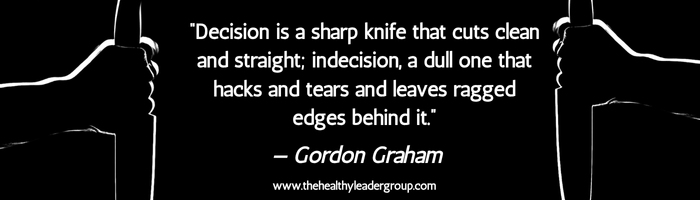
💪 Having Your Own Back
Even after you decide, your mind will tempt you with exits and doubts. That’s not sabotage—it’s self-protection.
Self-leadership means seeing those doubts and choosing to stay the course.
Here’s what it looks like:
- Acknowledge the doubt: “Thanks, brain, for looking out for me.”
- Recommit: “I chose this for a reason. I’ve got this.”
- Show up, even when it’s hard: Each time, you strengthen your self-trust muscle.
And if you realize you were wrong? Have your own back there, too. Own it, learn, and consciously choose your next step.
That’s real courage.
You don’t need 100% certainty. You need to back yourself, again and again.
That’s resilience. That’s trust.
It’s not about being unshakeable or rigid.
Real leaders notice when doubt creeps in, recommit to what matters, and—when it’s genuinely time—have the courage to choose their next step consciously.
💡 That’s self-leadership: not perfection, but presence.
In the end, it’s not just Option B or All In. It’s: Will you back yourself, again and again, as you lead?
Traci Fisher is founder of The Healthy Leader Group, LLC. A West Point grad and former Army helicopter pilot, she helps high-achieving leaders go from overthinking to focused follow-through. Learn more at www.thehealthyleadergroup.com Learn more at www.thehealthyleadergroup.com
#SelfLeadership #TheHealthyLeader #DecisionMaking #LeadershipDevelopment #Commitment #Resilience #Coaching #ChangeManagement #PersonalGrowth #TrustYourself #MindsetMatters #ExecutiveCoaching #BehavioralScience #Performance #EnergyLeadership #LeadershipHabits #Wellbeingness